
Ethnic Rhinoplasty
Ethnic rhinoplasty is the technique of adapting rhinoplasty to different ethnic communities to achieve a harmonious and natural result.
Double-board-certified facial plastic surgeon Dr. Raghu Athré specializes in the art and science of ethnic rhinoplasty in Houston.
Rhinoplasty permanently resculpts the hard and soft tissues of the nose, providing permanent results. Dr. Athré has an exceptionally low revision rate for his rhinoplasty patients, meaning that very few patients require any further work on their nose to correct cosmetic or functional concerns.
Dr. Athré will work closely with you using imaging techniques and other methods to turn your vision into reality.

“Dr. Athré did an amazing job on my nose. His staff treated me like family, and I felt very comfortable getting the work done."
What is Ethnic Rhinoplasty?
Ethnic rhinoplasty or ethnic nose surgery is a specialized type of nose surgery designed to enhance the appearance of your nose while honoring your unique ethnic heritage.
Rhinoplasty is a delicate cosmetic surgery that can also improve the function of your nose. It requires a masterful technique to achieve an excellent result. Dr. Raghu Athré specializes in advanced rhinoplasty methods that promote rapid healing, including ultrasonic rhinoplasty and dorsal preservation rhinoplasty.
Ethnic rhinoplasty involves subtle refinements like balancing the bridge or tip or adding definition to certain areas. At our office in Houston, ethnic rhinoplasty can be used to correct any functional concerns, like a deviated septum, that make it hard to breathe comfortably. Ultimately, ethnic rhinoplasty empowers you to achieve a more confident you while celebrating your unique beauty.
Key Takeways
- Enhances the harmony and proportions of your face while preserving the character of your features
- Improves both the appearance and the function of your nose
- Double-board-certified facial plastic surgeon Dr. Raghu Athré is a leading rhinoplasty surgeon in Houston specializing in ethnic rhinoplasty
- Minimal downtime with advanced techniques
- Results you will enjoy for a lifetime
About Ethnic Rhinoplasty
Ethnic Rhinoplasty Gallery
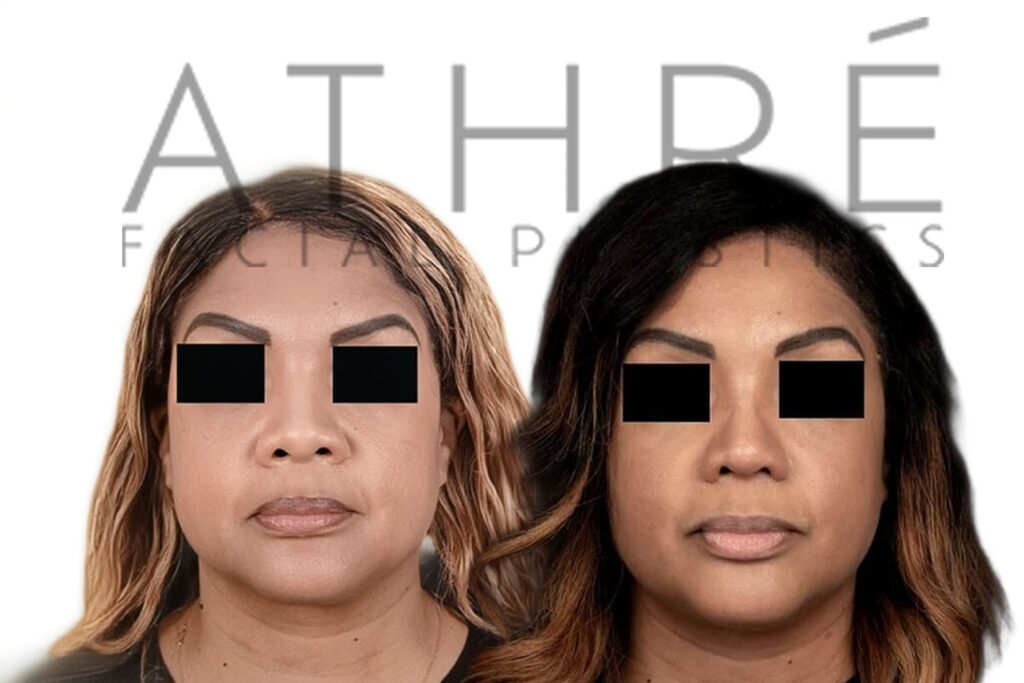
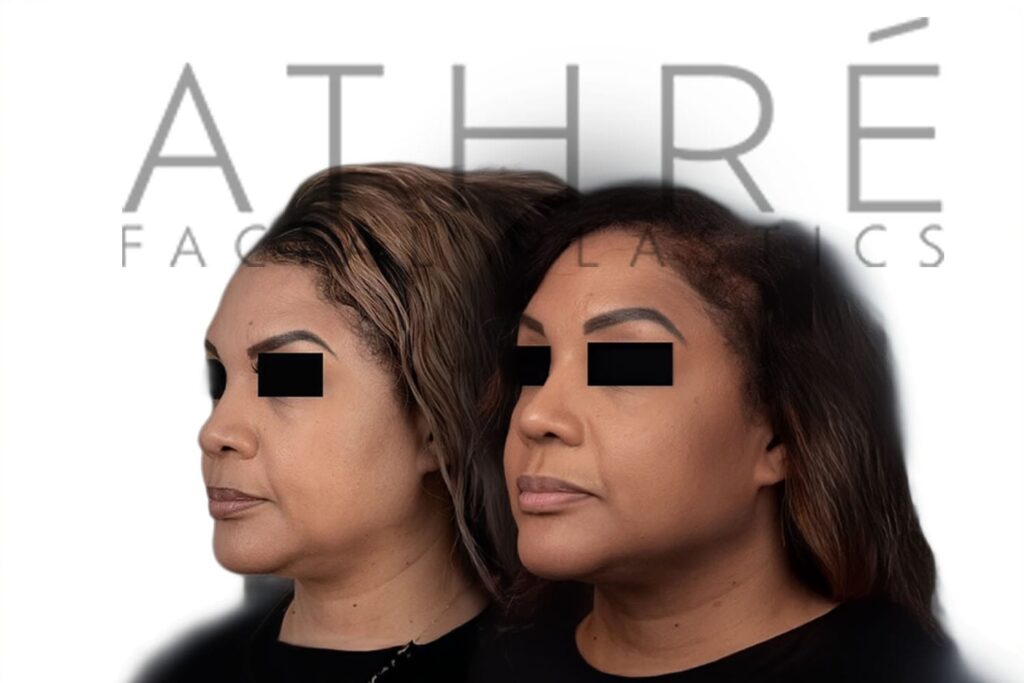
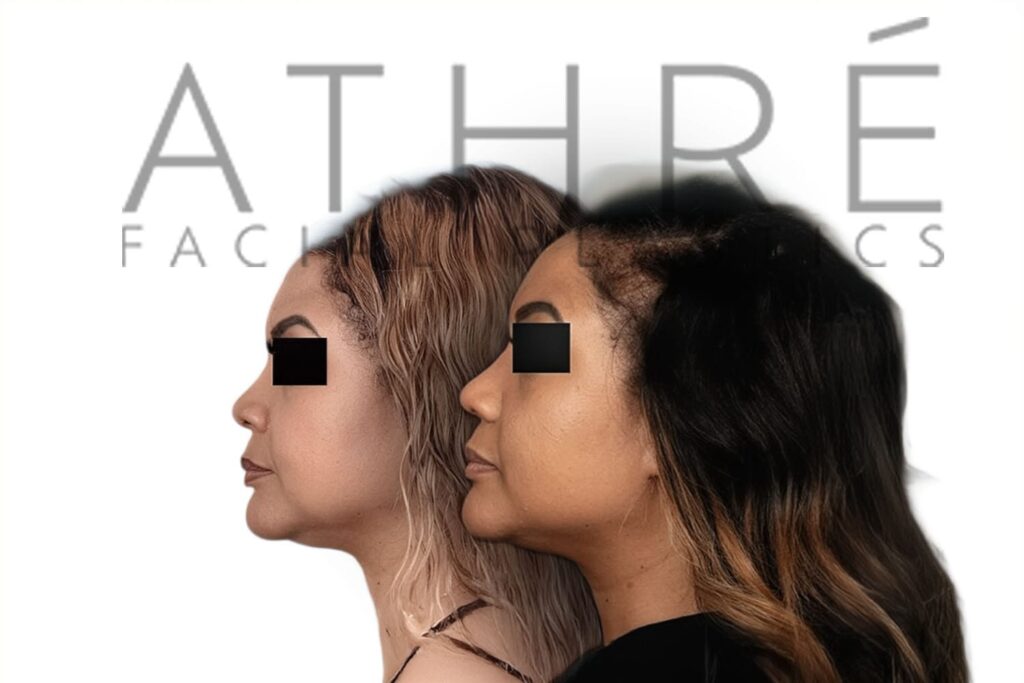
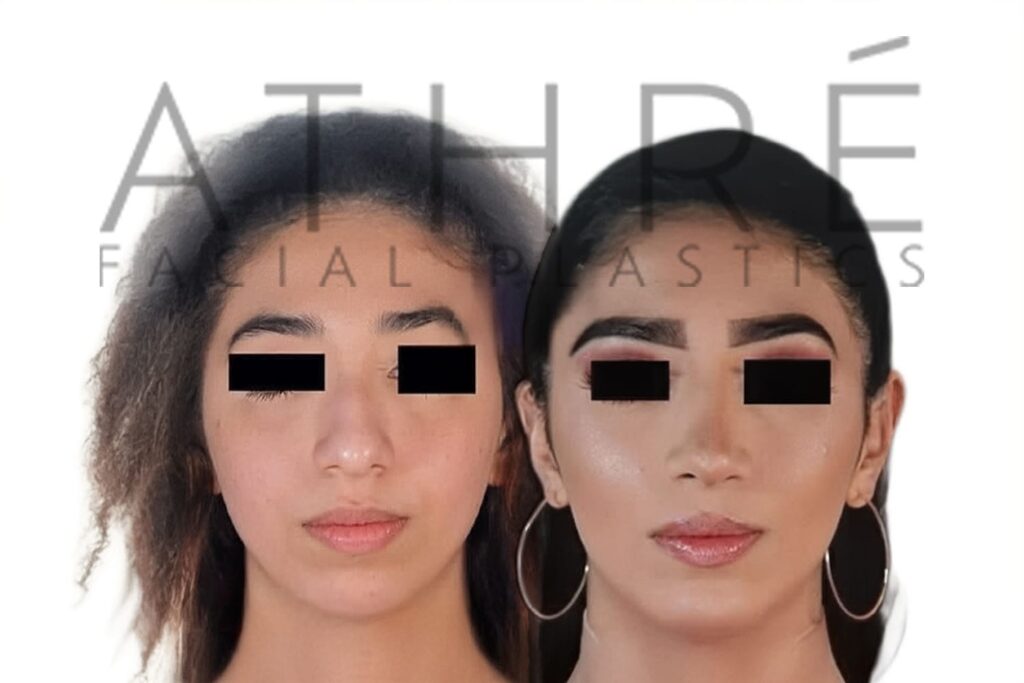
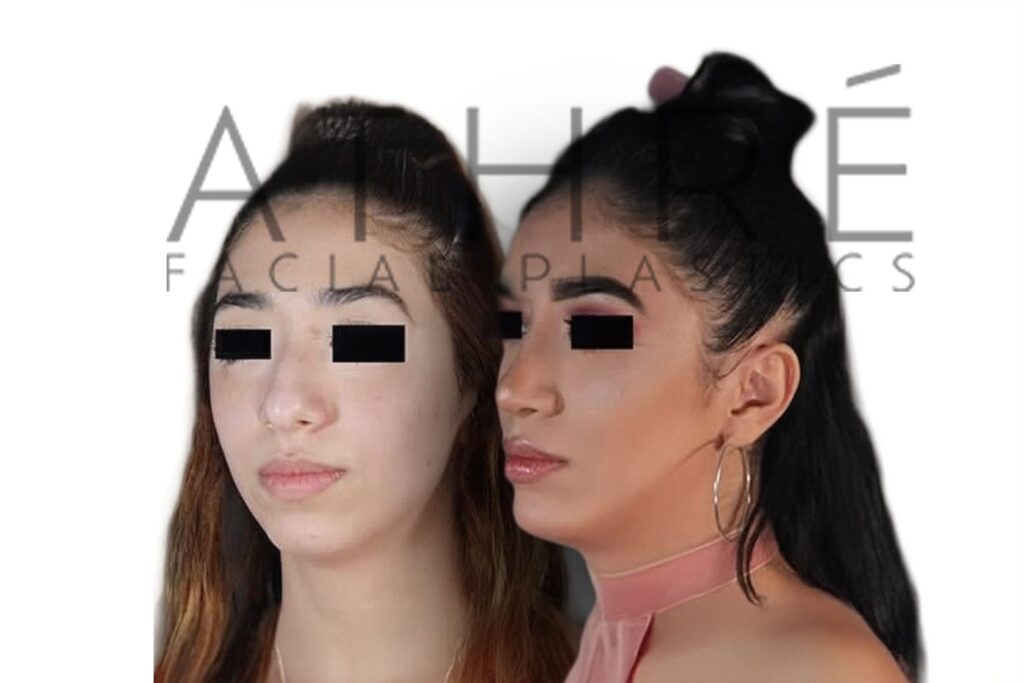
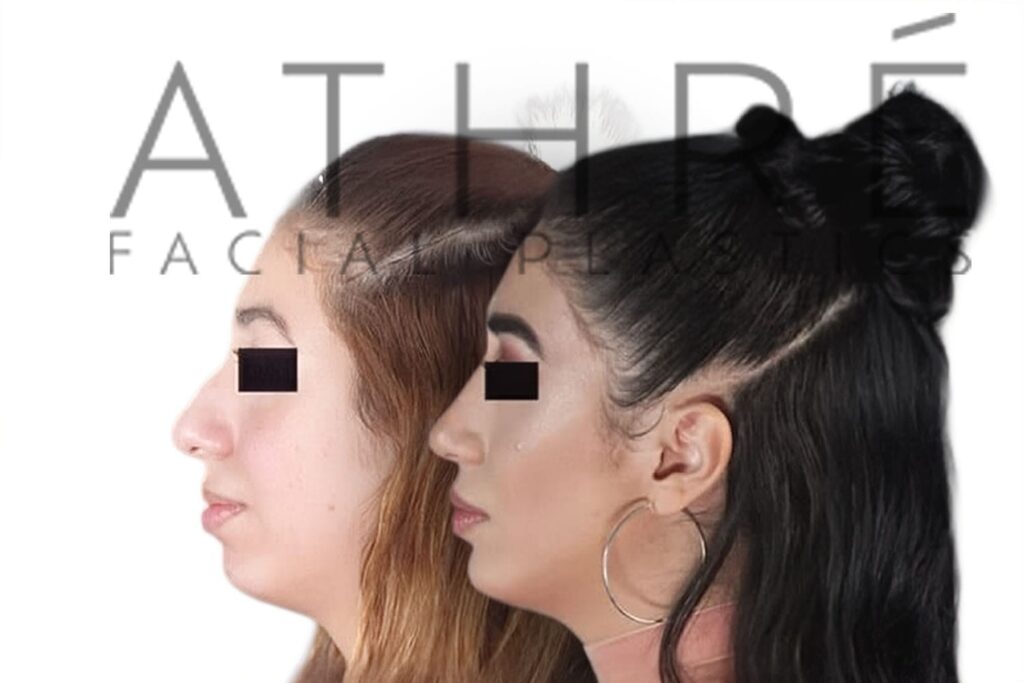
Before & After Photos
Rhinoplasty and the Erasure of Ethnic Identity
History of Ethnic Rhinoplasty
Modern rhinoplasty was developed in response to antisemitism in Europe prior to World War II. There was a market for people to look less Jewish. In essence, cosmetic nasal surgery started off as ethnic rhinoplasty. As rhinoplasty surgery matured, surgeons started publishing articles on the perfect proportions of the ideal nose. Perfect proportions have even been described by DaVinci in the Vitruvian man.
These proportions were primarily based on the facial proportions of Caucasian patients. As rhinoplasty developed, it was soon evident that the proportions that worked for a Caucasian patient may not necessarily work for an African American patient or an Asian patient.
This idea that the natural nose needs to be modified for different ethnic populations was the basis of the ethnic nose job. Ethnic rhinoplasty takes all of these special details into account to achieve a harmonious and natural result.
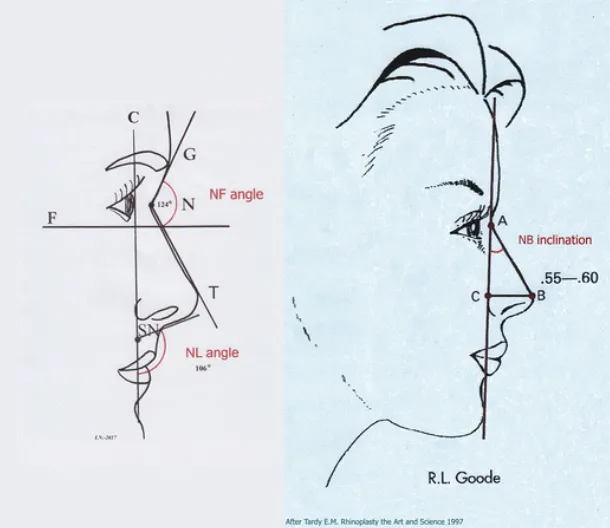
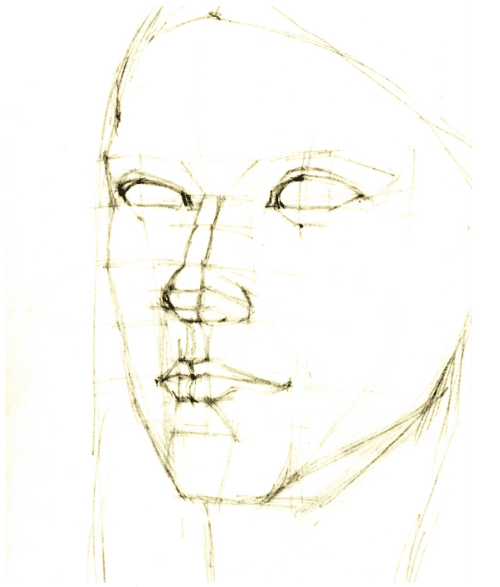
Examples of Ethnic Rhinoplasty
Three different examples of ethnic rhinoplasty procedures are discussed below.
It is important to note that these descriptions are generalizations. However, these categories can be helpful for plastic surgeons and their patients. Understanding common nasal characteristics of different ethnic groups can help you plan an ethnic rhinoplasty procedure that enhances your facial balance while preserving the beauty and character beauty of your natural features.
Asian Rhinoplasty
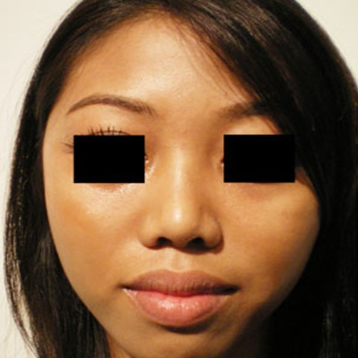
Asian rhinoplasty deals with nose surgery in individuals originally from China, Vietnam, Korea, Japan, and other areas of Asia.
This is a broad category of patients, and patients from each of these areas can have very different characteristics.
If we try to generalize these patients, these patients often have an insufficient dorsal height, insufficient nasal tip support, insufficient tip definition, insufficient tip projection, and the tip is often over-rotated. Internally, these patients may have insufficient septal cartilage, with the septal cartilage being softer and weaker. The soft tissue envelope in these patients is usually moderate and not overly thick.
Black/African-American Rhinoplasty
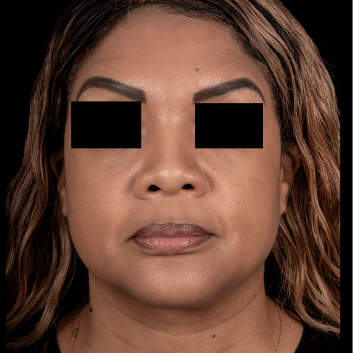
The facial features and structure of African-American patients is different from Caucasian or Persian patients.
The facial shape may be more round, cheek volume is more pronounced, the projection of the maxilla to the mandible and the nose is more pronounced, and chin projection is often less than in Caucasian patients. The characteristics of the nose, in general, are wider, lacking dorsum projection (weak bony and cartilage bridge of the nose), lacking tip projection and definition, and the tip can be over-rotated.
Internally, these patients may have sufficient cartilage, but the cartilage quality is soft and unable to withhold significant stresses. Finally, the soft tissue envelope in these patients is usually thicker, with increased skin thickness and a thicker subcutaneous fat layer.
Persian Rhinoplasty
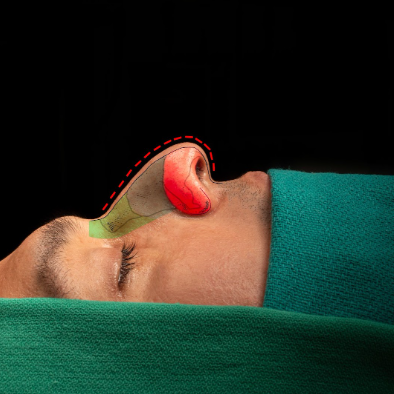
Persian rhinoplasty is a broad category that describes patients from Iran, the Middle East, India, Pakistan, and places such as Greece and Turkey.
Many of these patients share a similar look with respect to what their nose looks like. Furthermore, many of these patients have similar anatomical features.
Externally, these patients’ noses often have a dorsal hump, a nasal tip that is under-rotated (droopy), a tension septal deformity with the nasal septum being too tall for the nose, a broad or bulbous nasal tip, and no supra-tip break. Internally, also, these patients have very similar characteristics. These patients usually have excess septal cartilage and the septal cartilage is thick and has good integral strength. They also have strong, narrow nasal bones.

Redefining Rhinoplasty
Why is ethnic rhinoplasty important?
Each of us has an ethnic background, even those of us who call themselves Heinz 57! This ethnic and cultural identity is in our DNA and makes us who we are. The vast majority of my patients (>99%) do not want to change who they are. They want to change small characteristics to bring their nose and face into greater proportion.
Understanding these nuances is important for the rhinoplasty techniques that will be used in each of these individual cases. Also, things like recovery time are different when doing ethnic rhinoplasty. Caucasian and Persian rhinoplasty may have a large percentage of their final result within weeks after surgery. Asian and African-American patients may need months to see their final results.
This is exactly why it is important to see a surgeon who has experience in ethnic rhinoplasty. Dr. Athre’s experience in rhinoplasty and ethnic rhinoplasty is unsurpassed. This experience allows him to analyze your face, analyze ethnic variations, and even know what anatomic variations he will face in the operating room to create a rhinoplasty blueprint that will balance your face in the most natural and harmonious way.
Ethnic Rhinoplasty Recovery
Most patients can resume light activities within 24 hours of their procedure and return to work after about a week. Recovery time might be longer for patients with certain nasal characteristics or after complex procedures like revision rhinoplasty.
Rhinoplasty is an outpatient procedure, meaning you will return home on the same day. For ethnic rhinoplasty, Houston patients will be asleep under general anesthesia during surgery.
Dr. Athré will review all of the details of your procedure during your consultation and pre-operative appointment, ensuring you know exactly what to expect regarding the duration of the surgery, the methods used, and your recovery timeline. To learn more about the techniques that may be used in rhinoplasty surgery, you can also visit our main rhinoplasty page.
Why Dr. Athré for Rhinoplasty?
Dr. Athré is one of the foremost rhinoplasty surgeons in Houston, Texas though his patients come from all over the US, Mexico, South America, and the Middle East.
He is known for cutting-edge techniques continuously innovating new techniques, and adapting older techniques to achieve beautiful, soft, natural, consistent results.
Approximately 75-80% of Dr. Athré’s rhinoplasty practice is primary rhinoplasty, with revision rhinoplasty being 20-25% of his practice. The fact that rhinoplasty occupies such a large percentage of his practice gives credence to his rhinoplasty skill, and many fellow physicians refer rhinoplasty patients to Dr. Athré.
Ethnic Rhinoplasty FAQ's
See below for frequently asked questions about ethnic rhinoplasty.
Patient Review
“Dr. Athré did an amazing job on my nose. His staff treated me like family, and I felt very comfortable getting the work done. He was very intuitive on what I was trying to accomplish and knowledgeable enough to work through the issues involved to get the result I wanted, especially considering it was a revision surgery. The whole experience was great and helped me so much!”